
Reviewed by: Dr. Jonathan C. Saxe, MD, Board Certified in Gastroenterology
Heartburn that keeps returning can be easy to dismiss, especially when an antacid provides temporary relief. However, frequent acid reflux can affect more than your daily comfort. When gastroesophageal reflux disease (GERD) remains untreated for years, repeated exposure to stomach acid may damage the esophagus and increase the risk of GERD complications.
Understanding these potential problems can help you recognize concerning symptoms, protect your digestive health, and determine when to consult a gastroenterologist.
Table of Contents
What Happens to Your Esophagus When GERD Goes Untreated?
Untreated GERD allows stomach contents to repeatedly flow backward into the esophagus. Over time, this exposure can irritate its protective lining, cause inflammation, and sometimes lead to scarring or changes in esophageal tissue. However, not everyone with long-term GERD develops these problems.
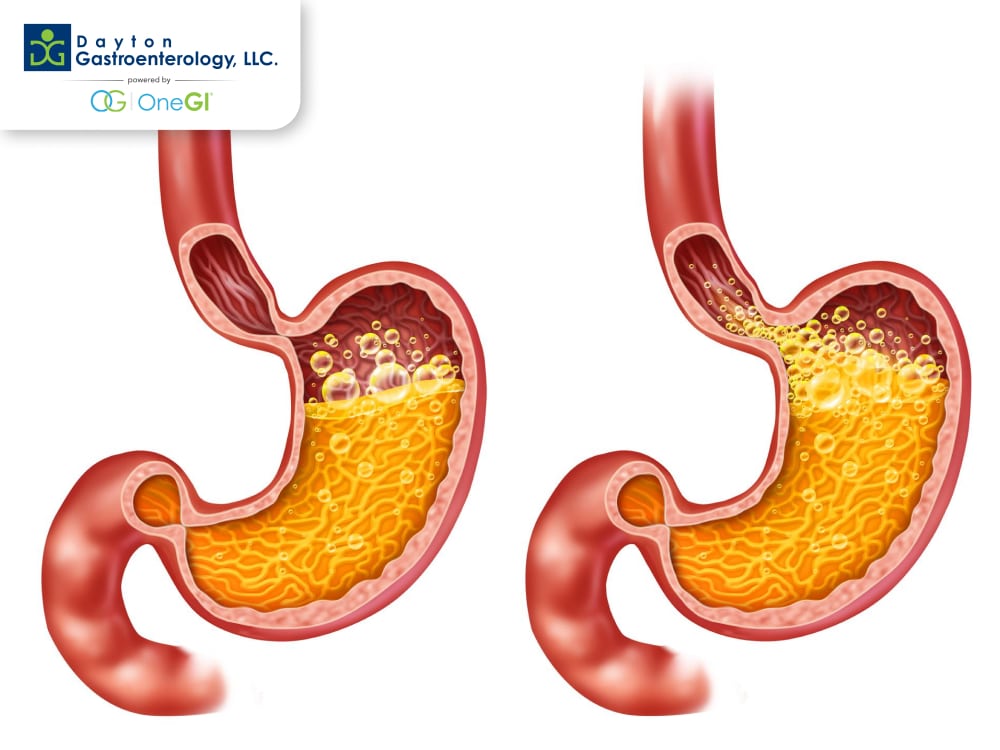
The esophagus is the muscular tube that carries food from your mouth to your stomach. A ring of muscle called the lower esophageal sphincter normally helps prevent stomach contents from flowing backward.
When this barrier does not function properly, acidic stomach contents can enter the esophagus. Unlike the stomach, the esophagus has limited protection against repeated acid exposure.
Persistent reflux may cause chronic acid reflux damage, particularly when symptoms remain uncontrolled.
Importantly, the severity of heartburn does not always reflect the amount of tissue damage. Some people experience frequent symptoms without visible injury, while others develop complications despite relatively mild discomfort.
What Are the Long-Term GERD Complications?
Long-term GERD can sometimes lead to esophagitis, esophageal strictures, and changes in the esophageal lining. These conditions vary in severity, and most people with GERD will not develop every complication. Early evaluation and appropriate treatment can help reduce the risk of further injury.
1. Esophagitis: Inflammation of the Esophagus
Esophagitis occurs when repeated exposure to stomach contents inflames the esophageal lining.
Possible symptoms include:
- Burning or discomfort when swallowing
- Pain behind the breastbone
- Difficulty swallowing food
- Persistent heartburn or regurgitation
Severe inflammation can sometimes cause ulcers or bleeding.
Many cases of reflux-related esophagitis improve with appropriate acid-suppressing treatment. However, persistent or severe inflammation requires medical assessment because ongoing injury can increase the likelihood of other complications.
2. Esophageal Strictures: When Swallowing Becomes Difficult
Repeated inflammation may eventually lead to scar tissue that narrows part of the esophagus.
This condition, called an esophageal stricture, can make swallowing increasingly difficult.
You might notice solid foods, such as bread or meat, moving slowly down your throat or feeling stuck after swallowing.
Severe esophageal narrowing may interfere with eating comfortably and maintaining adequate nutrition.
Treatment may include medication to control acid reflux and a procedure called esophageal dilation, which carefully stretches the narrowed area. Some patients require additional treatment if the narrowing returns.
3. Barrett’s Esophagus: Changes in the Esophageal Lining
Long-standing GERD is a risk factor for Barrett’s esophagus, a condition in which the normal lining of the lower esophagus is replaced by tissue resembling the intestinal lining.
This condition often causes no distinct symptoms beyond those associated with reflux.
A diagnosis generally requires an upper endoscopy and tissue biopsies.
Barrett’s esophagus matters because it increases the risk of developing esophageal adenocarcinoma, a type of cancer. However, most individuals with Barrett’s esophagus do not develop cancer.
Patients diagnosed with Barrett’s may need periodic surveillance endoscopy or additional treatment depending on their biopsy findings and individual risk.
4. Esophageal Cancer: Understanding the Risk
Long-standing GERD is associated with an increased risk of esophageal adenocarcinoma, particularly in people who develop Barrett’s esophagus.
However, having GERD does not mean that cancer will develop.
The National Institute of Diabetes and Digestive and Kidney Diseases (NIDDK) identifies esophagitis, strictures, and Barrett’s esophagus as possible complications of untreated GERD.
How Long-Term GERD Complications Differ
Not all GERD-related complications affect the esophagus in the same way. Some cause inflammation or difficulty swallowing, while others involve changes in the esophageal lining that may require ongoing monitoring.
The table below explains these differences and highlights symptoms that may need medical evaluation.
| Complication | What Happens | Possible Warning Signs |
| Esophagitis | Esophageal lining becomes inflamed | Painful swallowing, burning discomfort |
| Esophageal stricture | Scar tissue narrows the esophagus | Food sticking, difficulty swallowing |
| Barrett’s esophagus | Cells in the esophageal lining change | Often no distinctive symptoms |
| Esophageal cancer | Cancer develops in esophageal tissue | Progressive swallowing difficulty, weight loss, bleeding |
These symptoms alone cannot confirm a diagnosis. A gastroenterologist can assess your condition and determine whether further testing is necessary.
Can Untreated GERD Affect More Than Your Esophagus?
Yes. GERD can sometimes contribute to symptoms affecting the throat, mouth, and respiratory system. These symptoms may result from reflux reaching higher into the digestive tract or other reflux-related mechanisms. However, they can also have unrelated causes.
Potential concerns include:
- Chronic cough: Persistent coughing that may worsen at night.
- Hoarseness: Voice changes associated with irritation.
- Throat discomfort: Frequent throat clearing or irritation.
- Dental enamel erosion: Repeated acid exposure may gradually damage tooth enamel.
- Respiratory symptoms: Reflux may aggravate symptoms in some people with asthma.
A chronic cough or sore throat does not automatically indicate GERD. Other medical conditions, allergies, and respiratory problems should also be considered.
What Warning Signs Should You Never Ignore?
Persistent reflux deserves medical attention when symptoms become frequent, worsen, or interfere with daily life. Certain symptoms require prompt evaluation because they may indicate significant esophageal injury or another medical problem.
Contact a healthcare professional if you experience:
- Increasing difficulty swallowing
- Pain when swallowing
- Food frequently feeling stuck
- Unexplained weight loss
- Persistent vomiting
- Unexplained iron-deficiency anemia
Vomiting blood or passing black, tarry stools may indicate gastrointestinal bleeding and requires urgent medical attention.
Sudden chest pain, particularly with shortness of breath, sweating, or pain spreading to the arm or jaw, requires emergency evaluation rather than assuming acid reflux is responsible.
According to the American Society for Gastrointestinal Endoscopy’s 2025 GERD guideline, upper endoscopy is recommended for patients with GERD symptoms who also have alarm features such as difficulty swallowing, gastrointestinal bleeding, unexplained weight loss, or persistent vomiting.
Can Years of GERD Damage Be Reversed?
Some reflux-related damage can improve with appropriate treatment, but not every complication is fully reversible. The outcome depends on the type and severity of injury and whether acid reflux is adequately controlled.
Inflammation May Heal With Treatment
Reflux-related esophagitis often improves when acid exposure is reduced through medication and suitable lifestyle changes.
Proton pump inhibitors (PPIs) are commonly used to treat GERD and promote healing of erosive esophagitis.
Scar Tissue May Require a Procedure
Medication can reduce ongoing irritation, but established scar tissue may not disappear simply because acid reflux improves.
Patients with significant strictures may need esophageal dilation to make swallowing easier.
Barrett’s Esophagus Requires Individualized Management
Barrett’s esophagus does not necessarily return to normal when reflux symptoms improve.
Management may involve acid suppression, surveillance endoscopy, or endoscopic treatment when certain precancerous changes are identified.
The important distinction is that relieving heartburn and treating tissue damage are not always the same thing.
How Do Gastroenterologists Check for Long-Term GERD Damage?
Gastroenterologists evaluate persistent reflux using medical history, symptoms, response to treatment, and selected diagnostic tests. Not everyone with GERD needs an endoscopy. Testing becomes more important when warning signs appear, treatment is unsuccessful, or a person has risk factors for complications.
Upper Endoscopy (EGD)
An upper endoscopy allows a physician to examine the lining of the esophagus, stomach, and beginning of the small intestine using a thin, flexible instrument equipped with a camera.
It can help identify inflammation, strictures, and suspicious tissue changes.
Small tissue samples may also be collected when needed to evaluate Barrett’s esophagus or other conditions.
Dayton Gastroenterology provides upper endoscopy to evaluate upper digestive tract conditions, including symptoms associated with persistent acid reflux.
Esophageal pH Monitoring
Esophageal pH monitoring measures acid exposure inside the esophagus over a period of time.
This test may help confirm abnormal acid reflux when the diagnosis is uncertain or symptoms persist despite treatment.
For example, someone who continues experiencing reflux symptoms despite medication may benefit from further evaluation to determine whether acid exposure is contributing to their discomfort.
Your gastroenterologist will recommend testing based on your symptoms, medical history, and treatment response.
How Can You Prevent Further GERD Damage?
Managing GERD involves reducing reflux exposure, relieving symptoms, and identifying complications when necessary. Treatment varies depending on symptom frequency, severity, existing damage, and individual health needs.
Practical steps may include:
- Identify personal food triggers. Coffee, alcohol, chocolate, and high-fat meals may worsen reflux for some people. Avoiding every potential trigger is unnecessary if it does not affect your symptoms.
- Adjust meal timing. Avoid lying down for approximately three hours after eating, particularly if nighttime reflux is a problem.
- Maintain a healthy weight when appropriate. Weight management may help reduce reflux symptoms in people who are overweight.
- Elevate your upper body during sleep. Raising the head of the bed may help people who experience nighttime reflux.
- Use medications appropriately. Antacids can provide temporary relief, while H2 blockers and PPIs reduce stomach acid production.
- Discuss persistent symptoms with a specialist. Some patients require medication adjustments, additional testing, or consideration of antireflux procedures.
Patients should not stop prescribed medication or change treatment without discussing it with their healthcare professional.
Key Takeaways
- Untreated GERD can sometimes cause inflammation, scarring, or changes in esophageal tissue.
- Barrett’s esophagus increases cancer risk, but most affected patients do not develop cancer.
- Difficulty swallowing, bleeding, and unexplained weight loss require medical evaluation.
- Symptoms alone cannot determine whether esophageal damage is present.
- Appropriate treatment and follow-up can help prevent further injury.
Find the Right Care for Persistent GERD Symptoms in Dayton
If you’ve been managing heartburn with over-the-counter medication for years, you may wonder whether the reflux has affected your esophagus. That question deserves more than another temporary remedy.
At Dayton Gastroenterology, our gastroenterologists help patients across Greater Dayton evaluate persistent digestive symptoms and understand their treatment options. With office locations in Beavercreek, Englewood, and Miamisburg, patients can access specialized digestive care close to home.
Whether you’re experiencing frequent heartburn, trouble swallowing, or symptoms that haven’t improved with medication, our team can help determine the appropriate next steps. Explore our gastroenterology treatments or call (937) 320-5050 to schedule an appointment.
Concerned About Long-Term Acid Reflux?
Don’t ignore persistent GERD symptoms. Schedule a consultation with Dayton Gastroenterology to understand your digestive health, explore treatment options, and take steps toward preventing further esophageal damage.
Frequently Asked Questions
Can you have GERD damage without feeling heartburn?
Yes. Some people develop reflux-related esophageal changes without frequent heartburn. Symptoms do not reliably indicate tissue damage, which is why medical history and individual risk factors matter.
How long does it take for GERD to damage the esophagus?
There is no fixed timeline. Damage may develop over different periods depending on reflux severity, individual risk factors, and treatment. Many people never develop serious complications.
Does everyone with long-term GERD need an endoscopy?
No. Endoscopy is generally considered when alarm symptoms, certain risk factors, or unresolved diagnostic questions are present. A healthcare professional determines whether testing is necessary.
Can acid reflux return after successful treatment?
Yes. GERD symptoms may return after medication changes or other treatment because the underlying tendency toward reflux can persist. Some patients require ongoing management and follow-up.
Is taking antacids every day enough to manage GERD?
Not necessarily. Antacids provide temporary symptom relief but do not reliably heal significant esophageal inflammation. Frequent use should prompt discussion with a healthcare professional about appropriate management.