
Feeling unusually tired, losing your appetite, or experiencing occasional discomfort beneath your ribs may not seem concerning. Many adults blame these changes on stress, aging, or busy schedules.
However, some early liver disease symptoms can develop quietly, long before serious health problems become apparent. In some cases, liver disease causes no noticeable symptoms at all. Knowing which changes deserve attention can help you make informed decisions.
This guide explains overlooked warning signs, common risk factors, and when liver testing may be necessary.
Table of Contents
Can You Have Liver Disease Without Symptoms?
Yes. Liver disease can develop without noticeable symptoms, particularly during its early stages. Some adults feel completely healthy despite having excess liver fat, inflammation, or developing scar tissue.
Your liver works constantly to process nutrients, regulate blood sugar, produce bile, and remove certain harmful substances from your bloodstream. It can continue performing many of these functions even when an underlying condition begins affecting its health.
This explains why liver disease sometimes goes unnoticed for years.
One common example is metabolic dysfunction-associated steatotic liver disease (MASLD), previously known as nonalcoholic fatty liver disease (NAFLD). This condition involves excess fat accumulation in the liver and commonly occurs alongside diabetes, obesity, or other metabolic health problems.
According to the National Institute of Diabetes and Digestive and Kidney Diseases (NIDDK), approximately 24% of adults in the United States have NAFLD, based on estimates using the older disease terminology.
Many people learn about possible liver problems only after routine blood tests reveal elevated liver enzymes or imaging identifies excess fat.
For adults with diabetes, high cholesterol, or other risk factors, discussing liver health during regular medical visits can be valuable, even without symptoms.
Common Early Signs of Liver Disease Adults Often Miss
Persistent fatigue, reduced appetite, nausea, unexplained weakness, and mild upper-right abdominal discomfort are among the possible early signs of liver disease. However, these complaints can also result from many conditions unrelated to the liver.
The challenge is that these changes rarely seem unusual at first. You may notice them gradually, making it difficult to identify exactly when something changed.
Here are six commonly overlooked liver disease symptoms worth understanding.
1. Persistent Fatigue That Doesn’t Improve With Rest
Feeling tired after a demanding day is normal. However, ongoing exhaustion that doesn’t improve with adequate rest may deserve a closer look.
People with chronic liver conditions sometimes experience fatigue that affects their concentration, productivity, and ability to complete everyday activities.
You might notice that:
- You wake up feeling tired despite sleeping well.
- Routine activities require more effort than usual.
- Your energy remains low throughout the day.
- Rest doesn’t provide the improvement you expect.
Liver-related fatigue can occur for several reasons, including inflammation and changes associated with chronic illness.
However, fatigue alone cannot identify liver disease. Anemia, thyroid problems, sleep disorders, and several other conditions can cause similar symptoms.
If tiredness continues for weeks without an obvious explanation, speak with your healthcare provider.
2. Mild Discomfort Beneath the Right Rib Cage
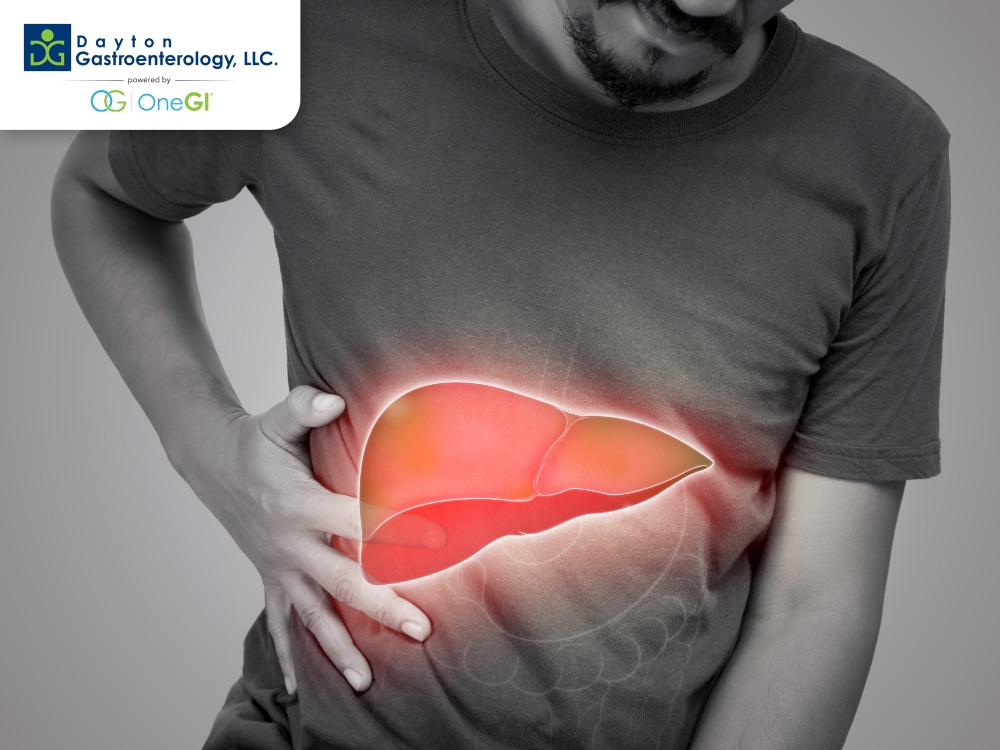
Your liver sits in the upper-right portion of your abdomen, just beneath your ribs.
Certain liver conditions can cause a dull ache, pressure, or feeling of fullness in this area. For example, an enlarged liver may stretch the surrounding tissue and cause discomfort.
Unlike sudden abdominal pain, this sensation may be mild enough to ignore.
Some people describe it as occasional pressure rather than actual pain. Others notice discomfort after meals or during certain activities.
However, upper-right abdominal pain can also result from gallbladder problems, digestive disorders, or muscle strain.
The location of discomfort doesn’t confirm its cause. If the sensation keeps returning or lasts longer than expected, a medical evaluation can help identify what’s responsible.
3. Unexplained Loss of Appetite
Have you started eating smaller meals without trying? Do foods you usually enjoy seem less appealing?
A persistent decrease in appetite can sometimes accompany liver inflammation or chronic liver disease.
Appetite changes may develop gradually. You might begin skipping breakfast, feeling full sooner than usual, or avoiding meals because eating makes you uncomfortable.
Stress, medications, infections, and digestive conditions can also affect appetite.
The concern increases when reduced appetite occurs alongside unexplained fatigue, nausea, or weight loss.
Rather than focusing on one isolated symptom, pay attention to changes that appear together or continue over time.
4. Recurring Nausea and Unusual Weakness
Occasional nausea is common, especially after eating certain foods or experiencing a stomach illness.
However, recurring nausea without an obvious explanation may sometimes accompany liver problems.
Some people also experience generalized weakness, making ordinary tasks feel unusually demanding.
These symptoms may occur when liver inflammation or other health conditions affect normal body functions.
Because nausea and weakness have many possible causes, they are not reliable indicators of liver disease on their own.
If they persist, note when they occur, whether meals affect them, and whether you’ve noticed additional changes.
Sharing these details with your doctor can help guide the evaluation.
5. Persistent Itching Without a Visible Rash
Itchy skin is usually associated with dryness, allergies, or irritation. However, certain liver and bile duct conditions can also cause itching.
Your liver produces bile, which helps digest fats and carries certain waste products out of the body.
When bile flow becomes disrupted, substances associated with itching may accumulate.
Unlike common skin irritation, liver-related itching may occur without an obvious rash.
It can affect different parts of the body and sometimes becomes more noticeable at night.
Itching is not a typical early symptom of every liver disease. However, persistent unexplained itching deserves attention, particularly when accompanied by dark urine, pale stools, or yellowing of the eyes.
6. Unintentional Weight Loss
Losing weight without changing your eating habits or physical activity may seem surprising, especially if you’ve been trying to manage your weight.
However, unexplained weight loss can sometimes accompany chronic liver disease.
Reduced appetite, nausea, and changes in nutritional intake may contribute.
Weight loss becomes more concerning when it occurs alongside persistent fatigue, abdominal discomfort, or other unexplained symptoms.
Many conditions unrelated to the liver can also cause weight loss, including thyroid disorders, diabetes, and digestive diseases.
If your weight continues dropping without a clear reason, arrange a medical appointment rather than waiting for additional symptoms.
Warning Signs That May Indicate Advanced Liver Disease
Yellowing of the skin or eyes, abdominal swelling, unusual bruising, and mental confusion can indicate more significant liver dysfunction. These symptoms should not be treated as ordinary early warning signs.
As liver damage progresses, the organ may struggle to perform important functions, including processing bilirubin, producing proteins involved in blood clotting, and regulating fluid balance.
The following table explains possible signs of liver damage and when to seek medical attention.
| Symptom | What It May Suggest | When to Seek Care |
| Persistent fatigue | Liver inflammation or another underlying condition | If ongoing or unexplained |
| Reduced appetite and nausea | Possible liver or digestive disorder | If symptoms persist |
| Yellow skin or eyes | Jaundice related to bilirubin buildup | Prompt medical evaluation |
| Swollen abdomen or legs | Possible fluid retention | Urgent medical assessment |
| Easy bruising or bleeding | Possible changes in blood clotting | Prompt medical evaluation |
| New confusion or vomiting blood | Potentially serious liver complications | Emergency medical care |
Cirrhosis often causes no symptoms until liver damage becomes extensive. Later complications may include jaundice, fluid accumulation, and confusion.
Not everyone with liver disease develops these complications. However, recognizing them can help people seek appropriate care without unnecessary delays.
Who Is at Greater Risk of Developing Liver Disease?
Adults with type 2 diabetes, excess abdominal weight, metabolic syndrome, chronic viral hepatitis, or significant alcohol exposure may face a higher risk of liver disease.
Many people associate liver problems exclusively with alcohol consumption. However, several liver conditions develop in people who drink little or no alcohol.
Common risk factors include:
- Type 2 diabetes: Insulin resistance can contribute to excess fat accumulation in liver cells.
- Obesity and abdominal fat: Excess body fat, particularly around the waist, increases the likelihood of metabolic liver disease.
- High cholesterol and triglycerides: Abnormal blood fat levels often accompany fatty liver conditions.
- Heavy alcohol consumption: Long-term excessive drinking can cause liver inflammation and scarring.
- Chronic hepatitis B or C: These viral infections can damage liver tissue over time.
- Certain medications and supplements: Some substances can cause liver injury, especially when used incorrectly.
- Family history: Inherited conditions, including hemochromatosis, may increase liver disease risk.
The NIDDK identifies diabetes and obesity as important risk factors for fatty liver disease and its progression.
For adults managing diabetes, high blood pressure, or cholesterol concerns, discussing liver health during routine appointments may help identify problems that otherwise go unnoticed.
Can Liver Disease Occur With Normal Blood Test Results?
Yes. Normal liver enzyme levels do not always rule out fatty liver disease, inflammation, or liver fibrosis. Doctors consider your medical history and other findings before determining whether further testing is necessary.
Routine liver blood tests often measure two enzymes:
- Alanine aminotransferase (ALT): An enzyme that may increase when liver cells become injured.
- Aspartate aminotransferase (AST): An enzyme that can rise with liver injury but may also come from other tissues.
Although elevated enzyme levels can indicate liver inflammation, some people with significant liver scarring have normal results.
The American Association for the Study of Liver Diseases (AASLD) explains that liver enzymes can remain normal even in people with advanced fibrosis associated with metabolic fatty liver disease.
This doesn’t mean routine blood tests lack value. They provide important information, but they cannot answer every question about liver health.
Your doctor may recommend additional testing based on your symptoms, medical history, and risk factors.
How Doctors Detect Liver Disease Before Symptoms Become Serious
Doctors use blood tests, medical history, imaging, and noninvasive liver assessments to investigate possible liver disease. These tests can help identify inflammation, fat accumulation, or scarring before noticeable complications develop.
-
Liver Blood Tests
Blood tests often provide the first indication that something may be affecting the liver.
A liver panel may measure ALT, AST, bilirubin, alkaline phosphatase, and albumin. These results help doctors evaluate possible liver injury, bile flow problems, and certain aspects of liver function.
Doctors may also calculate a FIB-4 score using age, liver enzyme levels, and platelet count to estimate the likelihood of advanced liver scarring.
-
FibroScan Testing for Liver Scarring
FibroScan is a noninvasive examination that measures liver stiffness to help assess possible fibrosis or scarring. Certain FibroScan measurements can also estimate fat accumulation in the liver.
The procedure uses transient elastography, a technology that sends gentle vibrations through the liver and measures how quickly they travel.
FibroScan doesn’t require surgery or needles. However, results must be interpreted alongside other medical findings because inflammation and additional factors can affect liver stiffness.
For patients with suspected fatty liver disease or abnormal liver tests, FibroScan may provide information that routine bloodwork cannot.
Learn more about FibroScan testing at Dayton Gastroenterology and how it supports liver health evaluations.
-
When Additional Testing May Be Necessary
Some patients need further evaluation to determine the cause or severity of liver disease.
Depending on the findings, a doctor may recommend ultrasound, specialized blood tests, MRI-based imaging, or occasionally a liver biopsy.
Not everyone with mildly elevated liver enzymes requires extensive testing. The appropriate approach depends on individual risk factors and the results of the initial assessment.
What to Do if You Notice Possible Liver Disease Symptoms
If you experience persistent, unexplained changes in your health, arrange a medical appointment and discuss whether liver testing is appropriate.
When evaluating symptoms of liver disease in adults, doctors look at the complete picture rather than relying on one complaint.
Before your appointment, consider these steps:
- Track your symptoms. Record when fatigue, nausea, appetite changes, or abdominal discomfort started and whether they’re becoming more frequent.
- Review your medications. Include prescription drugs, over-the-counter pain relievers, vitamins, and herbal supplements.
- Discuss alcohol consumption. Accurate information helps your doctor evaluate possible causes of liver injury.
- Share your medical history. Mention diabetes, high cholesterol, previous abnormal liver tests, hepatitis exposure, and family history.
- Ask about appropriate testing. Your provider can determine whether bloodwork, imaging, or specialist evaluation would be helpful.
Treatment depends on the underlying condition. Some patients benefit from dietary changes and better metabolic health management, while others need medication or ongoing specialist care.
Understanding available gastroenterology treatments can help you prepare for a discussion about your digestive and liver health.
For patients who require ongoing medical support, Dayton Gastroenterology also provides chronic care management services for eligible individuals managing long-term health conditions.
Everyday Habits That Support Liver Health
Healthy eating, regular physical activity, appropriate weight management, and limiting harmful alcohol exposure can help reduce several liver disease risks.
These habits are particularly important for people with metabolic fatty liver disease, diabetes, or elevated cholesterol.
Consider making the following changes:
- Eat more vegetables, fruits, whole grains, and fiber-rich foods.
- Reduce sugary drinks and highly processed foods.
- Stay physically active through walking, cycling, or other suitable activities.
- Work with your healthcare provider to manage blood sugar and cholesterol.
- Follow medical advice about alcohol, including abstinence when recommended.
- Avoid unnecessary supplements and use medications as directed.
You don’t need to change every habit at once. Start with adjustments that fit your daily routine and that you can maintain.
Lifestyle changes can improve metabolic health and may reduce liver fat in some patients. However, they cannot replace medical treatment for viral hepatitis, autoimmune liver disease, or other specific conditions.
Even modest adjustments to physical activity, food choices, and metabolic health can make a difference. Learn more about improving fatty liver without major weight loss and consult a specialist to find out what’s affecting your liver.
Key Takeaways
- Liver disease can develop without noticeable symptoms, even when damage has begun.
- Persistent fatigue, appetite changes, nausea, and upper-right abdominal discomfort may warrant medical attention.
- Diabetes, excess abdominal weight, and heavy alcohol consumption increase certain liver disease risks.
- Blood tests and FibroScan can help assess liver health before complications develop.
- Identifying the cause early can help guide appropriate treatment and monitoring.
Your Liver Health Deserves Attention, Even When Symptoms Seem Minor
It’s easy to overlook tiredness, appetite changes, or occasional abdominal discomfort when life gets busy. But when these changes persist, finding out why matters. A conversation with your doctor may help uncover liver concerns that haven’t caused obvious problems yet.
Dayton Gastroenterology provides liver health evaluations and diagnostic testing for adults throughout Greater Dayton. If you’ve noticed unexplained changes or received abnormal liver test results, consider scheduling an evaluation to understand what your liver needs.
Pay Attention to Small Changes. Protect Your Liver Health.
Your Liver May Be Quiet. Your Health Questions Shouldn’t Be.
You don’t need to wait for obvious symptoms to start asking questions about your liver. Whether it’s unexplained fatigue, unusual test results, or a lingering concern, understanding what’s happening is a worthwhile first step.
Concerned about your liver health? Call Dayton Gastroenterology at 937-320-5050 or schedule an appointment.
Frequently Asked Questions
Can liver disease affect your sleep quality?
Yes. Some chronic liver conditions can disrupt normal sleep patterns and cause daytime tiredness. However, sleep problems have many possible causes and require appropriate medical evaluation.
Can someone develop fatty liver disease without being overweight?
Yes. People with normal body weight can develop fatty liver disease, particularly when they have insulin resistance, abnormal cholesterol levels, or other metabolic risk factors.
Does drinking coffee help protect the liver?
Research suggests regular coffee consumption may be associated with better liver outcomes in certain populations. However, coffee cannot replace medical treatment, appropriate testing, or healthy lifestyle habits.
Can liver disease cause changes in menstrual cycles?
Yes. Advanced liver disease can sometimes affect hormone regulation and menstrual cycles. However, many other medical conditions cause menstrual irregularities, so persistent changes should be evaluated.
Should adults get routine liver screening every year?
Not everyone needs annual liver screening. Testing recommendations depend on medical history, metabolic risk factors, hepatitis exposure, medications, and previous results. Your doctor can recommend appropriate monitoring.