
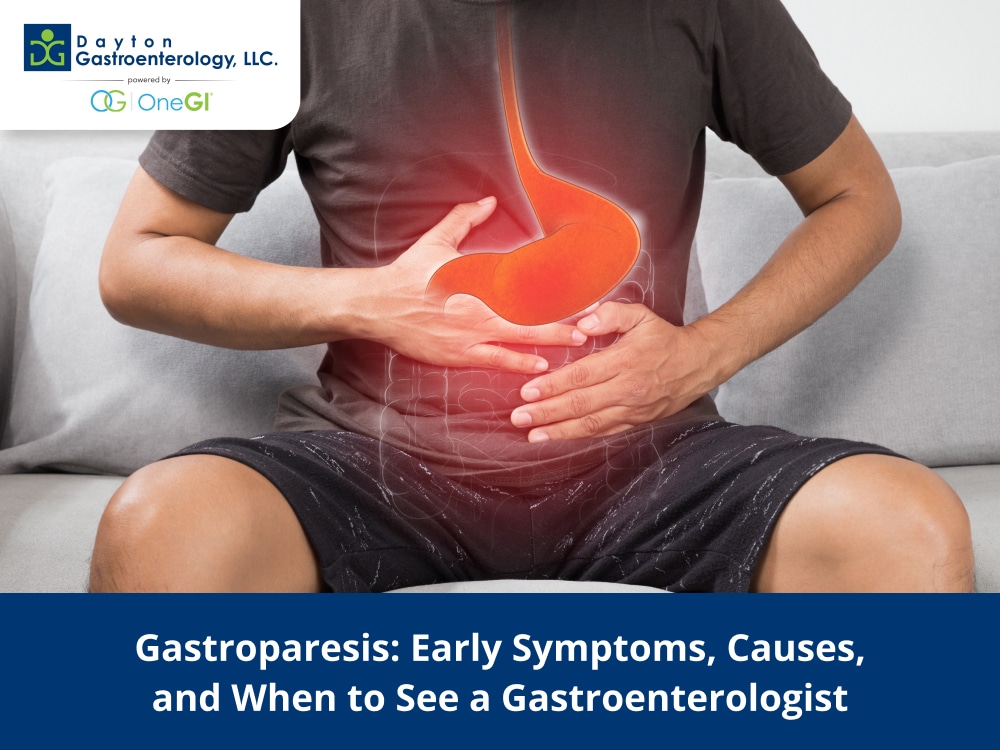
Digestive discomfort after meals is common, but symptoms that continue for weeks or months may require a closer look. Feeling full after a small amount of food, experiencing frequent nausea, or dealing with unexplained bloating can sometimes be signs of an underlying digestive condition.
One possible cause is gastroparesis, a condition that affects the way the stomach moves food through the digestive system. When stomach muscles or the nerves controlling them do not function properly, food may remain in the stomach longer than expected.
Understanding the early signs of gastroparesis, potential causes of gastroparesis, and available gastroparesis treatment options can help patients recognize when it may be time to seek guidance from a digestive health specialist.
Table of Contents
What Is Gastroparesis?
Gastroparesis is a digestive disorder where the stomach does not empty food into the small intestine at its normal pace.
Normally, muscles in the stomach contract in a coordinated way to break down food and move it through the digestive tract. These movements are controlled by signals between nerves and muscles.
When those signals are disrupted, stomach movement may slow down. As a result, food can stay in the stomach longer than expected, which may lead to uncomfortable symptoms.
Gastroparesis is different from a physical blockage. In this condition, there is no obstruction preventing food from leaving the stomach. Instead, the problem involves how the stomach muscles and nerves work together.
The condition can range from mild symptoms that are manageable with lifestyle changes to more severe cases requiring specialized medical treatment.
What Are the Common Symptoms of Gastroparesis?
The early signs of gastroparesis can sometimes appear similar to everyday digestive issues. This is why some people may delay seeking care or assume food choices or temporary stomach problems cause their symptoms.
Recognizing patterns and understanding when symptoms become concerning can help patients seek appropriate evaluation sooner.
-
Feeling Full After Eating Small Amounts
One of the most common early symptoms is feeling full much sooner than expected.
A person may notice:
- Becoming uncomfortable after eating a small portion
- Feeling full for several hours after meals
- Difficulty finishing normal-sized meals
This happens because food remains in the stomach longer, creating a prolonged sensation of fullness.
-
Nausea After Meals
Frequent nausea, especially after eating, is another common symptom.
Some people experience:
- Nausea shortly after meals
- Increased discomfort after larger portions
- Loss of appetite because eating triggers symptoms
Persistent nausea should not be ignored, especially if it affects nutrition or daily activities.
-
Bloating and Upper Abdominal Discomfort
Delayed stomach emptying may contribute to:
- Feeling bloated after eating
- Pressure in the upper abdomen
- General stomach discomfort
Because bloating can occur with many digestive conditions, including IBS and food intolerances, proper evaluation helps identify the actual cause.
-
Vomiting or Difficulty Maintaining Nutrition
In more noticeable cases, gastroparesis may cause vomiting because food remains in the stomach longer than expected.
Ongoing vomiting may contribute to:
- Dehydration
- Weight changes
- Difficulty meeting nutritional needs
Anyone experiencing frequent vomiting or unexplained weight loss should discuss symptoms with a healthcare professional.
What Causes Delayed Stomach Emptying or Gastroparesis?
The causes of gastroparesis vary. Some cases occur because another medical condition affects stomach nerves or muscles, while others develop without a clearly identified cause.
Understanding possible causes can help patients and physicians determine the most appropriate evaluation and management approach.
1. Diabetes-Related Nerve Damage
Diabetes is one of the most recognized causes of gastroparesis.
Long-term high blood sugar levels may damage nerves throughout the body, including the vagus nerve, which helps control stomach movement.
When these signals are affected, the stomach may not contract normally, slowing the movement of food.
Managing blood glucose levels is an important part of reducing digestive complications associated with diabetes.
2. Digestive Surgery
Certain surgeries involving the stomach or nearby digestive organs may affect the nerves responsible for controlling stomach movement.
Symptoms may occur because communication between the nervous system and stomach muscles has changed.
3. Neurological and Other Medical Conditions
Gastroparesis may also occur alongside certain health conditions, including:
- Some nervous system disorders
- Autoimmune conditions
- Hormonal disorders such as hypothyroidism
A medical evaluation helps determine whether another condition may be contributing to delayed stomach emptying.
4. Medications That Affect Digestion
Some medications can slow stomach movement or worsen symptoms in certain individuals.
If symptoms develop after starting a medication, discuss this with your healthcare provider. They can determine whether medication changes may be appropriate.
Do not stop prescribed medication without professional guidance.
Who Is at Higher Risk for Gastroparesis?
Gastroparesis can affect people with different health backgrounds. While some cases occur without an identifiable cause, certain conditions and factors may increase the likelihood of developing delayed stomach emptying.
People who may have a higher risk include:
- Individuals with diabetes, especially when blood sugar levels have been difficult to manage
- People who have had certain stomach or digestive surgeries
- Individuals with neurological conditions that affect nerve function
- People with certain autoimmune disorders
- Those taking medications that may slow digestive movement
Having one of these risk factors does not mean someone will definitely develop gastroparesis. A healthcare provider will consider symptoms, medical history, and testing results together when evaluating digestive concerns.
How Is Gastroparesis Diagnosed?
Diagnosing gastroparesis involves more than reviewing symptoms alone. Because nausea, bloating, and stomach discomfort can occur with many digestive conditions, doctors typically use a combination of medical history, physical evaluation, and specialized testing.
A gastroenterologist may begin by discussing:
- When symptoms started
- How symptoms relate to meals
- Changes in appetite or weight
- Current medications
- Existing health conditions
- Previous surgeries or digestive problems
The goal is to determine whether delayed stomach emptying is present and identify any possible contributing factors. Some of the common tests and procedures involved are:
1. Gastric Emptying Tests
A gastric emptying test is commonly used to measure how quickly food moves through the stomach.
During this test, a patient consumes a meal that contains a small detectable marker. Imaging is then used over a period of time to evaluate how much food remains in the stomach.
This helps doctors determine whether the stomach is emptying slower than expected.
2. Upper Endoscopy and Other Evaluations
In some cases, additional testing may be recommended to rule out other digestive conditions.
An upper endoscopy allows a physician to examine the upper digestive tract and check for issues that may cause similar symptoms.
Other tests may be considered based on a person’s symptoms and medical history.
Accurate diagnosis is important because treatment for gastroparesis is different from treatment for other digestive disorders.
Treatment Options for Gastroparesis
There is no single treatment approach that works for every person with gastroparesis. The right plan depends on factors such as:
- The underlying cause
- Severity of symptoms
- Nutritional needs
- Overall health
- Response to previous treatments
The main goals of gastroparesis treatment are to reduce symptoms, support proper nutrition, and improve stomach function whenever possible.
-
Medications and Medical Therapies
Depending on symptoms, a gastroenterologist may recommend medications that help manage specific concerns.
Treatment options may include medications that:
- Support stomach movement
- Reduce nausea
- Improve symptom control
Medication choices depend on each patient’s health history and should be discussed with a qualified healthcare professional.
-
Advanced Treatment Approaches
For individuals with severe symptoms that do not improve with dietary changes and medications, a specialist may discuss additional treatment options.
These may include therapies designed to support nutrition or improve digestive function.
The appropriate option depends on:
- Symptom severity
- Nutritional status
- Previous treatments
- Overall medical condition
A gastroenterologist can help determine which approach is most suitable.
Lifestyle and Dietary Changes That Can Help Manage Gastroparesis Symptoms
Making certain dietary and lifestyle adjustments can help some people better manage gastroparesis symptoms. While these changes do not replace medical treatment, they may support digestion, improve comfort after meals, and help maintain proper nutrition.
A healthcare provider or registered dietitian can recommend adjustments based on your symptoms, nutritional needs, and overall health.
1. Eat Smaller, More Frequent Meals
Large meals may be more difficult for the stomach to empty and can increase feelings of fullness, bloating, or discomfort.
Some people with gastroparesis may find it easier to tolerate:
- Smaller meals throughout the day
- Eating slowly and taking time to chew food thoroughly
- Avoiding overeating during a single meal
Adjusting meal size can help reduce the amount of food remaining in the stomach at one time.
2. Choose Foods That Are Easier to Digest
Certain foods may be easier for the stomach to process, especially when symptoms are more noticeable.
Depending on individual needs, a healthcare provider may recommend:
- Softer foods
- Well-cooked vegetables
- Lower-fat food options
- Adequate fluids throughout the day
Food tolerance varies from person to person, so keeping track of which foods improve or worsen symptoms can be helpful.
3. Adjust Fiber Intake When Needed
Fiber is an important part of a healthy diet, but some high-fiber foods may slow stomach emptying further in certain individuals with gastroparesis.
A physician or registered dietitian can help determine whether adjustments to fiber intake may improve symptoms while still supporting overall nutrition.
4. Keep a Food and Symptom Journal
Tracking meals and symptoms can help identify patterns and provide useful information during medical appointments.
A journal may include:
- Foods and beverages consumed
- Meal sizes
- Timing of symptoms
- Severity of discomfort
- Any foods that appear to trigger symptoms
This information can help your healthcare provider understand your symptoms and personalize recommendations.
5. Stay Hydrated
Maintaining proper hydration is important, especially for individuals experiencing nausea, vomiting, or reduced food intake.
Drinking enough fluids can help support overall health and reduce the risk of dehydration. Your healthcare provider can recommend an appropriate hydration approach based on your symptoms and medical needs.
6. Manage Blood Sugar Levels
For people with diabetes-related gastroparesis, maintaining healthy blood glucose levels is an important part of symptom management.
Changes in blood sugar levels can affect digestion and may make symptoms more difficult to manage. Working with your healthcare team to monitor and manage diabetes can support better digestive health.
When Should You See a Gastroenterologist?
Many digestive symptoms may improve on their own, but persistent or worsening symptoms should be evaluated to determine the underlying cause.
Knowing when to see a gastroenterologist for gastroparesis can help you receive timely diagnosis and appropriate treatment.
- Persistent nausea after meals
- Frequent vomiting
- Feeling full after eating very small amounts
- Unexplained weight loss
- Difficulty maintaining proper nutrition
- Ongoing bloating or upper abdominal discomfort
- Symptoms that interfere with daily activities
A gastroenterologist can help determine whether symptoms are related to gastroparesis or another digestive condition.
If digestive symptoms continue to affect your daily life, a gastroenterologist in Dayton can evaluate your condition and discuss treatment options.
Questions to Ask Your Gastroenterologist About Gastroparesis
Preparing questions before an appointment can help patients better understand their condition.
Consider asking:
- What could be causing my symptoms?
Understanding possible causes can help determine the next steps for evaluation.
- What tests will I need?
Ask what diagnostic tests may be recommended and what each test measures.
- Are there dietary changes that may help?
Your provider can explain which foods or eating patterns may support symptom management.
- What treatment options are appropriate for my situation?
Treatment depends on individual symptoms, health history, and test results.
- How will we monitor improvement?
Ask how progress will be evaluated and when follow-up appointments may be needed.
Key Takeaways
- Gastroparesis occurs when the stomach takes longer than expected to empty food.
- Early symptoms may include nausea, early fullness, bloating, and appetite changes.
- Diabetes-related nerve damage is one of the most common known causes.
- Diagnosis may require tests that measure stomach emptying.
- Treatment focuses on improving symptoms, supporting nutrition, and managing underlying causes.
- A qualified gastroenterologist, like the ones at Dayton Gastroenterology, should evaluate persistent digestive symptoms.
When Digestive Symptoms Keep Getting in the Way, Help Is Available
Dealing with gastroparesis can be frustrating, especially when you do not know what is causing it. While the condition can be challenging to manage, understanding your symptoms is the first step toward finding the right approach.
At Dayton Gastroenterology, our team helps patients throughout Dayton, Beavercreek, Englewood, Miamisburg, and surrounding areas get answers for persistent digestive concerns. Our experts understand your symptoms, perform the right evaluations, and recommend care that fits your individual needs.
If you think your symptoms may be related to gastroparesis, contact our digestive specialists in Dayton to schedule a consultation and take the next step toward improving your digestive health.
Call 937-320-5050 and schedule an appointment.
Frequently Asked Questions
Can gastroparesis symptoms come and go?
Yes. Symptoms may vary over time. Some people experience periods where symptoms improve and other times when they become more noticeable.
Is gastroparesis the same as acid reflux?
No. While both conditions may cause discomfort after eating, they affect different parts of digestion. Gastroparesis involves delayed stomach emptying, while acid reflux occurs when stomach contents move back into the esophagus.
Can gastroparesis be cured?
The outlook depends on the underlying cause and severity. Some people may experience improvement with treatment and lifestyle adjustments, while others may need ongoing symptom management.
What foods should people with gastroparesis avoid?
Food recommendations vary from person to person. Some individuals may need to adjust foods that are harder to digest, but a healthcare provider or dietitian can provide personalized guidance.
What doctor treats gastroparesis?
A gastroenterologist specializes in digestive disorders and can evaluate symptoms, perform appropriate testing, and recommend treatment options.